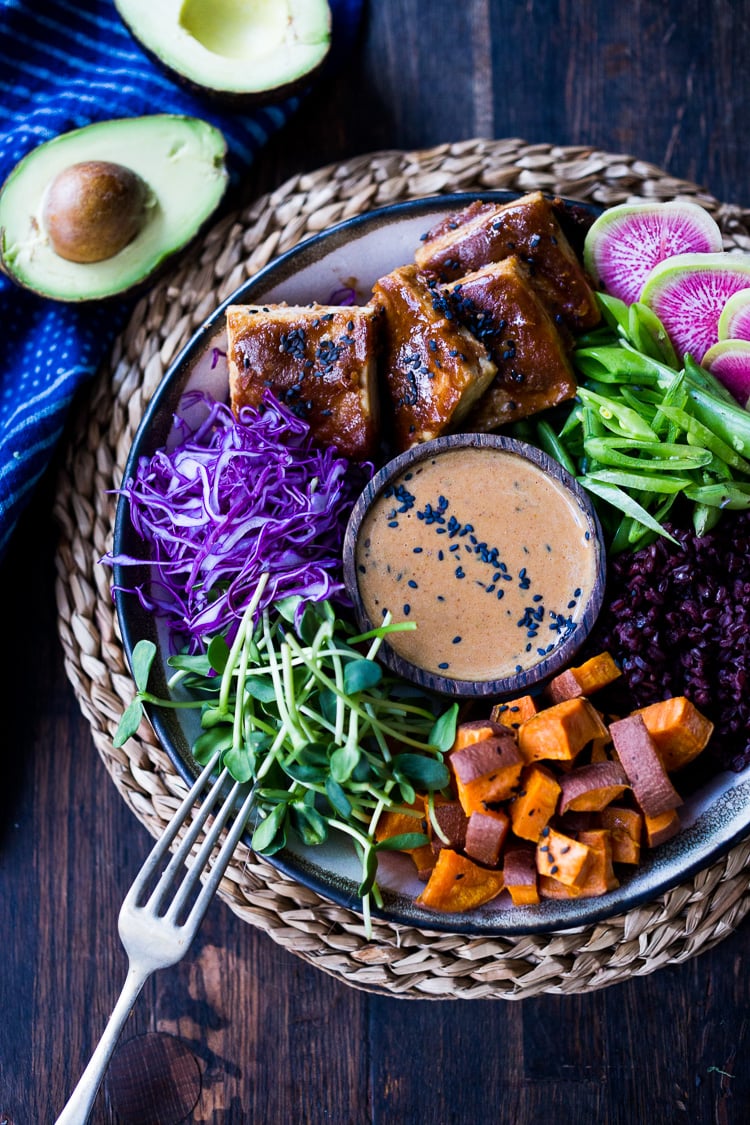
In our fast-paced world, finding nutritious, satisfying, and convenient meals can feel like a constant juggle. Enter the humble yet mighty Buddha Bowl – a vibrant, balanced, and endlessly customizable dish that’s taking the meal prep scene by storm. Far more than just a collection of ingredients in a bowl, healthy Buddha bowls are a holistic approach to eating, designed to nourish both your body and soul with every colorful bite.
If you're looking for a simple, delicious, and effective way to elevate your weekly meal planning, diving into the world of healthy Buddha bowl recipes is your ultimate game-changer. These bowls embody the art of balanced eating, combining fresh vegetables, wholesome grains, lean proteins, and flavorful dressings into one harmonious culinary experience.
What Exactly is a Buddha Bowl? Unpacking the Balanced Plate
The term "Buddha Bowl" conjures an image of a bountiful, gently rounded bowl, often said to resemble a Buddha's belly – brimming with goodness. At its core, a Buddha Bowl is a one-bowl meal, characterized by its balanced composition of key nutritional components.
While often associated with vegetarian or vegan lifestyles due to their emphasis on plant-based ingredients, Buddha bowls are incredibly versatile and can easily incorporate lean animal proteins to suit any dietary preference. What truly defines them is the intentional layering of diverse elements:
- Whole Grains: Forming the foundation, these provide complex carbohydrates for sustained energy. Think quinoa, brown rice, farro, or millet.
- Plant-Based Proteins: Legumes (chickpeas, lentils, black beans), tofu, tempeh, or edamame are common. For non-vegetarians, grilled chicken or fish fit perfectly.
- Vibrant Vegetables: A colorful array of both raw and cooked vegetables is crucial for vitamins, minerals, and fiber. Roasted broccoli, steamed kale, fresh spinach, shredded carrots, bell peppers – the options are limitless.
- Healthy Fats & Crunch: Avocado slices, nuts (almonds, cashews), and seeds (chia, flax, pumpkin) add healthy fats, texture, and essential nutrients.
- Flavorful Dressing: The unifying element that ties everything together, often a homemade creation like a tahini-lemon dressing, peanut sauce, or a light vinaigrette.
The beauty of these bowls lies in their flexibility. They can be served hot or cold, making them perfect for any season or occasion. While their exact origin is debated, with similar balanced bowl meals found in various cultures like Hawaiian poke bowls, Korean bibimbap, and Vietnamese Bun bowls, the Buddha bowl has certainly carved out its own niche as a symbol of holistic, healthy eating, especially popular for its convenience and deliciousness in places like Bali.
Why Healthy Buddha Bowls are Your Meal Prep Game Changer
For anyone serious about maintaining a healthy lifestyle without sacrificing time or flavor, incorporating healthy Buddha bowl recipes into your meal prep routine is a revelation. Here's why they are the ultimate solution for fueling your week:
- Optimal Nutrition, Easily Achieved: Buddha bowls inherently promote balanced eating. By consciously including all major food groups – whole grains, lean protein, healthy fats, and an abundance of vegetables – you're guaranteeing a meal packed with fiber, vitamins, and minerals that keep you feeling full and energized. This structured approach helps prevent mindless snacking and ensures you're getting diverse nutrients.
- Time-Saving Convenience: The modular nature of Buddha bowls makes them incredibly efficient for meal prep. You can batch-cook components like grains, roasted vegetables, and proteins at the beginning of the week. Then, each day, simply assemble your bowl in minutes. This drastically cuts down on daily cooking time and decision fatigue.
- Endless Variety, Zero Boredom: One of the biggest challenges with meal prep is getting tired of eating the same thing. With Buddha bowls, variety is built-in. By swapping out just one component – a different grain, a new protein, a fresh set of veggies, or a unique dressing – you can create an entirely new flavor profile. This ensures your taste buds stay excited throughout the week. For even more inspiration, check out Easy & Healthy Buddha Bowl Recipes: Your Guide to Balanced Meals.
- Portion Control Made Simple: Using a single bowl helps with visual portioning, making it easier to manage calorie intake without feeling deprived. You can tailor each bowl to your specific needs, whether you're aiming for weight management or simply wholesome sustenance.
- Budget-Friendly: Cooking at home is almost always cheaper than eating out. By planning your healthy Buddha bowl recipes around seasonal produce and bulk-purchased grains and legumes, you can significantly reduce your food expenses.
Crafting Your Perfect Healthy Buddha Bowl: The Blueprint for Success
Building a Buddha bowl is an art form, but one that anyone can master. Follow this simple blueprint to ensure every bowl is nutritious, delicious, and perfectly balanced:
1. The Foundation: Wholesome Grains (approx. 1/2 – 1 cup cooked)
Start with a nutrient-dense base. Whole grains provide sustained energy and fiber. Tips: Batch cook a larger quantity at the start of the week. Examples: Quinoa (a complete protein!), brown rice, farro, barley, millet, bulgur, or even sweet potato cubes for a grain-free option.
2. The Powerhouse: Protein (approx. 1/2 – 1 cup)
This is essential for satiety and muscle repair. Tips: Vary your protein sources throughout the week. Marinate plant-based proteins for extra flavor. Examples (Plant-Based): Roasted chickpeas, black beans, lentils, edamame, baked tofu, tempeh, or a hearty serving of hummus. Examples (Lean Animal Protein): Grilled chicken breast, baked salmon, hard-boiled eggs.
3. The Vibrance: Fresh & Cooked Vegetables (approx. 1.5 – 2 cups)
Aim for a rainbow of colors to ensure a wide spectrum of nutrients. Tips: Combine raw and cooked textures for interest. Roast a big batch of veggies simultaneously. Examples (Raw): Spinach, kale, mixed greens, shredded carrots, cucumber, bell peppers, cherry tomatoes, red cabbage. Examples (Cooked): Roasted broccoli, Brussels sprouts, sweet potatoes, zucchini, asparagus, steamed green beans, sautéed mushrooms.
4. The Crunch & Healthy Fats: Toppings (1/4 cup)
These add crucial texture, healthy fats, and extra nutrients. Tips: Toast nuts and seeds for enhanced flavor. Examples: Avocado slices, pumpkin seeds, sunflower seeds, almonds, walnuts, hemp hearts, a sprinkle of nutritional yeast for a cheesy flavor, fresh herbs.
5. The Flavor Bomb: Dressing & Sauce (2-4 tablespoons)
This is where your bowl truly comes alive! Tips: Always make your dressing from scratch to avoid added sugars and unhealthy oils found in store-bought versions. Store dressings separately until serving to prevent soggy ingredients. Examples: Tahini-lemon dressing, peanut sauce, apple cider vinaigrette, balsamic glaze, or a simple olive oil and fresh herb dressing. Check out Craft Your Perfect Buddha Bowl: Vibrant, Balanced & Versatile Meals for more dressing ideas.
Maximizing Your Healthy Buddha Bowl Meal Prep
To truly unlock the power of healthy Buddha bowl recipes for meal prep, follow these actionable tips:
- Plan Your Week: Decide which components you'll prepare. Choose 1-2 grains, 2-3 proteins, and 3-4 types of vegetables to roast or chop.
- Batch Cook Strategically:
- Cook grains in advance (they last 3-4 days in the fridge).
- Roast or steam a large tray of vegetables.
- Prepare your protein sources – bake chicken, roast chickpeas, cook lentils.
- Make a big batch of your favorite dressing.
- Store Components Separately: This is key to preventing soggy bowls. Keep grains, proteins, cooked veggies, raw veggies, and dressings in separate airtight containers in the fridge.
- Assemble Daily (or the night before): On the morning you plan to eat your bowl, or the night before, simply scoop your prepped ingredients into your serving bowl. Add fresh elements like avocado or herbs right before eating.
- Invest in Good Containers: Glass containers with multiple compartments are excellent for keeping ingredients separate until mealtime.
- Don't Forget Seasoning: Even simple components benefit from good seasoning during cooking. Think herbs, spices, a squeeze of lemon.
Conclusion: Fuel Your Week with Healthy Buddha Bowls
Healthy Buddha bowls are more than just a passing food trend; they represent a mindful, flexible, and utterly delicious way to nourish yourself. By embracing the principles of balance, versatility, and strategic meal preparation, you can transform your approach to healthy eating. These vibrant bowls promise to fuel your body with essential nutrients and soothe your soul with their satisfying flavors, making healthy choices a joyful and effortless part of your daily routine. So, roll up your sleeves, explore the countless healthy Buddha bowl recipes available, and embark on a journey to a more vibrant, energized you!
